

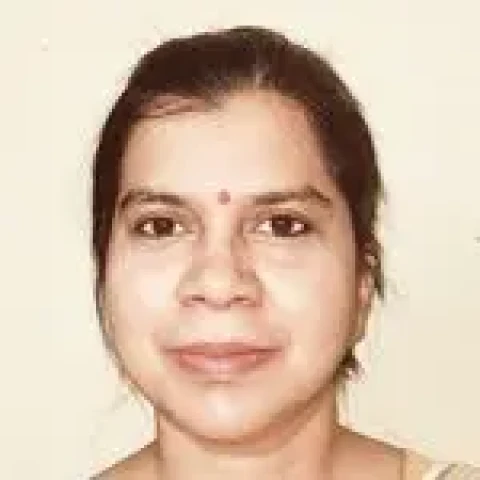
Monika Arora (born 28 August 1973) is an Indian advocate practising in the Supreme Court of India, the Delhi High Court and the District Courts. She has served as Standing Counsel for the Government of India in the Delhi High Court and is a co-author of the widely-discussed Garuda Prakashan title Delhi Riots 2020: The Untold Story . She is one of the founders of the Group of Intellectuals and Academicians (GIA), a public-interest forum which has produced fact-finding reports and policy commentary on contentious questions of Indian public life - most prominently a citizen fact-finding report on the February 2020 Delhi riots that fed directly into the book. Read the full biography Delhi Riots 2020: The Untold Story , co-authored with Sonali Chitalkar and Prerna Malhotra, is an investigation into the February 2020 communal violence in north-east Delhi. The book attracted international attention after its original publisher withdrew it ahead of release; Garuda Prakashan picked it up and brought it out in 2020, where it became one of the year's most-read non-fiction releases in Indian publishing. Arora's legal practice spans constitutional law, public-interest litigation and government work in the Delhi High Court. As Standing Counsel for the Government of India she has appeared in matters across criminal, civil and administrative law. Beyond the courtroom she is a frequent commentator on Indian legal-policy questions and on Hindu civilisational and women's issues. Frequently asked questions Who is Monika Arora? Monika Arora is an Indian advocate practising in the Supreme Court of India and the Delhi High Court, Standing Counsel for the Government of India, and a co-author of Delhi Riots 2020: The Untold Story published by Garuda Prakashan. What is Delhi Riots 2020: The Untold Story about? It is a citizen-led investigation into the February 2020 communal violence in north-east Delhi, co-authored with Sonali Chitalkar and Prerna Malhotra. After the original publisher withdrew the title, Garuda Prakashan published it in 2020 and it became one of the year's most widely-read non-fiction books in India. What is the Group of Intellectuals and Academicians (GIA)? GIA is a public-interest forum co-founded by Monika Arora that produces fact-finding reports and policy commentary on questions of Indian public life. Its citizen fact-finding report on the Delhi riots fed directly into Delhi Riots 2020: The Untold Story . Where can I buy Monika Arora's book? Delhi Riots 2020: The Untold Story is published by Garuda Prakashan and available on this page with free shipping in India.
View Author Profile


.webp)


-(1)_compressed-(1)_page-0001.jpg)




.webp)